
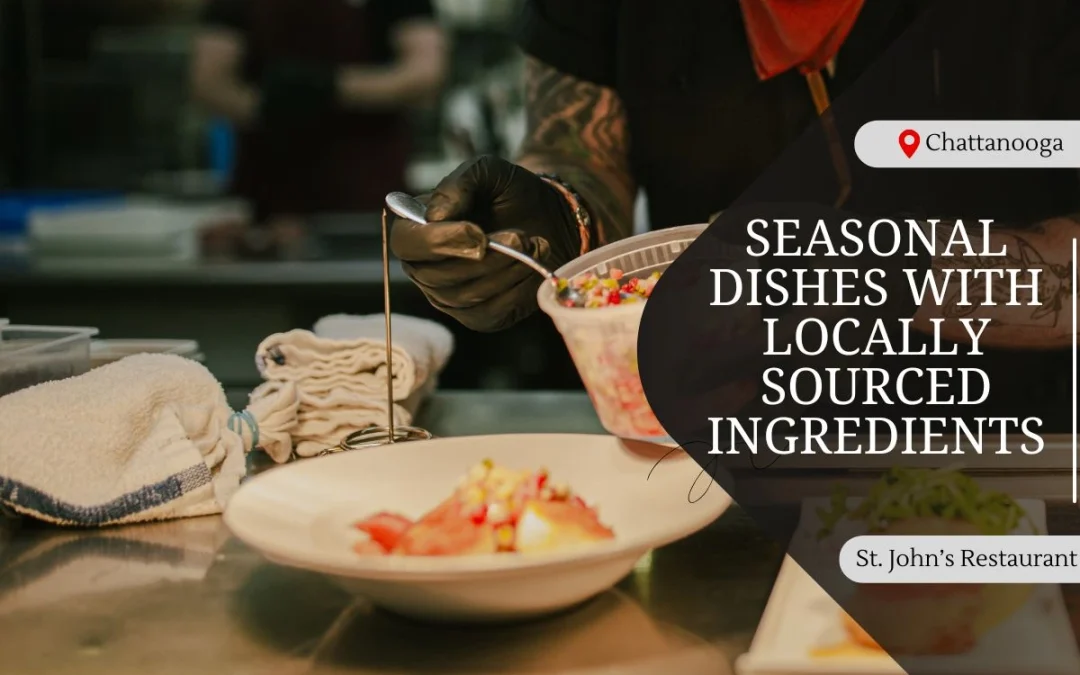
If you're searching for seasonal dishes with locally sourced ingredients, the answer is simple: they deliver fresher flavors, higher-quality ingredients, and a dining experience that changes with the seasons. Restaurants that prioritize Locally Sourced Ingredients can create chef-driven menus inspired by peak harvests, regional producers, and sustainable sourcing practices. The result is food that reflects both the season and the community it comes from.
Today's diners are increasingly interested in where their food comes from. Rather than choosing restaurants solely by menu or location, many guests look for establishments that partner with local farms, artisan producers, and regional suppliers. This approach supports local agriculture while giving chefs access to ingredients that are harvested, delivered, and prepared at their best.
What Are Seasonal Dishes with Locally Sourced Ingredients?
Seasonal dishes with locally sourced ingredients are meals prepared using foods that are naturally available during a particular season and sourced from nearby farms, ranches, fisheries, dairies, or artisan producers whenever possible.
Instead of relying on ingredients transported across long distances, chefs select products that are harvested closer to the restaurant and served during their peak growing season. This approach helps preserve freshness while allowing natural flavors to become the highlight of every dish.
A seasonal menu may include fresh spring vegetables, summer tomatoes, autumn squash, locally raised meats, regional cheeses, fresh herbs, or seasonal fruits depending on what is available throughout the year. Because availability changes, the menu naturally evolves, giving guests something new to discover with every visit.
Why Do Locally Sourced Ingredients Matter?
The quality of any meal begins with the quality of its ingredients. Even the most skilled chef depends on fresh produce, premium proteins, and carefully selected ingredients to create exceptional dishes.
Using Locally Sourced Ingredients offers several advantages that directly influence the dining experience.
- Ingredients often reach the kitchen sooner after harvest.
- Fruits and vegetables are selected closer to peak ripeness.
- Menus naturally change with seasonal availability.
- Local farms and regional producers receive direct support.
- Shorter transportation distances can help preserve freshness.
When ingredients spend less time traveling through large distribution networks, they often retain better texture, aroma, and flavor. This allows chefs to prepare dishes that showcase the natural qualities of each ingredient rather than relying heavily on sauces or seasonings.
Are Locally Sourced Ingredients Better Than Imported Ingredients?
Both locally sourced and imported ingredients have an important place in modern cuisine. Imported products make it possible to enjoy ingredients that cannot be grown regionally, while locally sourced ingredients often provide exceptional freshness during their natural season.
The choice depends on the ingredient, the season, and the culinary goals of the chef.
| Comparison | Locally Sourced Ingredients | Imported or Long-Distance Ingredients |
| Freshness | Often delivered shortly after harvest | May spend more time in transportation |
| Seasonal Availability | Changes throughout the year | Often available year-round |
| Menu Variety | Encourages seasonal creativity | Offers greater consistency |
| Community Impact | Supports regional farms and producers | Supports broader supply networks |
| Chef Flexibility | Inspires rotating seasonal menus | Helps maintain signature dishes |
Many fine dining restaurants combine both approaches. They prioritize local ingredients whenever they are at their peak while responsibly sourcing specialty ingredients that are not available within the region.
How Do Chefs Build Seasonal Menus?
Creating a seasonal menu involves much more than replacing one ingredient with another. Every menu is carefully planned around ingredient availability, culinary techniques, and the overall dining experience.
A chef-driven seasonal menu typically follows a thoughtful process.
1. Monitor Seasonal Harvests
Chefs stay informed about what local farms and producers expect to harvest throughout the year. Availability changes with weather, growing conditions, and regional agriculture.
2. Build Relationships with Local Producers
Strong partnerships with farmers, ranchers, fisheries, dairies, and artisan suppliers allow restaurants to access premium ingredients while supporting local businesses.
3. Design Dishes Around Ingredients
Rather than forcing ingredients into existing recipes, chefs often build entirely new dishes around what is freshest during each season.
4. Test and Refine Recipes
Before introducing a seasonal dish, chefs carefully evaluate flavor balance, texture, presentation, and portion sizes to ensure every course meets the restaurant's standards.
5. Refresh the Menu Throughout the Year
Returning guests often discover entirely new appetizers, entrées, desserts, and tasting experiences because the menu reflects what's currently available instead of relying on permanent offerings.
How Executive Chef Patrick Sawyer's Driven Menu Celebrates Local Sourcing
An Executive Chef Patrick Sawyer Driven menu at St. John's Restaurant is guided by the belief that exceptional dining begins with exceptional ingredients. Rather than building a menu around products that are always available, Chef Patrick Sawyer embraces a seasonal approach that allows ingredients to shape each dish.
This philosophy encourages creativity while maintaining consistency in quality. As seasonal produce, proteins, herbs, and regional specialties become available, the menu evolves to highlight their natural flavors using refined culinary techniques and thoughtful presentation.
Instead of repeating the same recipes throughout the year, dishes are continually refined to reflect the changing seasons. Guests who dine multiple times often discover new combinations, fresh ingredients, and innovative preparations that make every visit unique.

How Does Southern Craft Influence Modern Fine Dining?
Southern craft is a culinary philosophy rooted in quality ingredients, skilled preparation, and genuine hospitality. While traditional Southern cooking has long celebrated regional flavors and family recipes, today's fine dining chefs reinterpret those traditions using modern techniques, seasonal ingredients, and elevated presentation.
Rather than relying on complexity alone, Southern craft emphasizes letting each ingredient speak for itself. Fresh vegetables, responsibly sourced proteins, handmade sauces, artisan cheeses, and seasonal herbs are carefully prepared to highlight their natural character instead of masking it.
At its core, Southern craft values:
- Respect for seasonal ingredients
- Partnerships with regional farmers and producers
- Traditional cooking techniques refined through modern culinary methods
- Hospitality that makes every guest feel welcome
- Menus that reflect the region while embracing creativity
Why Do Guests Choose Restaurants That Use Locally Sourced Ingredients?
Today's diners are more informed than ever about how food is grown, harvested, and prepared. Many actively seek restaurants like St. John's in Chatanooga that prioritize Locally Sourced Ingredients because they value freshness, quality, and responsible sourcing.
Guests often appreciate locally sourced dining because it offers:
| Benefit | Why It Matters |
| Fresher ingredients | Produce and proteins often reach the kitchen sooner after harvest. |
| Better flavor | Seasonal ingredients are typically served closer to their peak quality. |
| Rotating menus | Guests enjoy new dishes throughout the year instead of the same menu every visit. |
| Support for local communities | Purchasing from regional farms and producers strengthens local agriculture. |
| Chef creativity | Seasonal availability encourages innovative recipes and presentations. |
Why St. John's Restaurant Embraces Seasonal, Chef-Driven Dining
At St. John's Restaurant, every menu reflects a commitment to seasonal dishes with locally sourced ingredients whenever possible. Rather than following a static menu throughout the year, the culinary team continually adapts its offerings to celebrate the freshest ingredients available during each season.
The restaurant's philosophy is simple: exceptional ingredients deserve exceptional preparation.
Working with regional producers allows the kitchen to create dishes that highlight freshness, balance, and craftsmanship while supporting the surrounding agricultural community. Seasonal vegetables, premium proteins, fresh herbs, and carefully selected regional products become the foundation for a menu that evolves throughout the year.
The Executive Chef Patrick Sawyer Driven menu here reflects this philosophy by allowing ingredient availability—not convenience—to shape culinary creativity. Every course is thoughtfully designed to showcase natural flavors, balanced textures, and elegant presentation.
Equally important is the restaurant's commitment to Southern craft. Rather than recreating traditional Southern dishes exactly as they have always been prepared, the culinary team draws inspiration from regional traditions while presenting them through contemporary fine dining techniques.
How Seasonal Menus Benefit Returning Guests
One of the greatest advantages of chef-driven seasonal dining at St. John's Restaurant is that no two visits are exactly the same. Unlike restaurants that rely on permanent menus, establishments focused on seasonal ingredients continually refine their offerings based on what is currently available. This creates opportunities for returning guests to discover new appetizers, entrées, desserts, and tasting experiences throughout the year.
Seasonal menus also encourage chefs to experiment with different ingredient pairings, preparation methods, and presentations while maintaining the restaurant's overall culinary identity. For diners, this means every visit offers the possibility of discovering something new while continuing to enjoy the same level of hospitality and craftsmanship they expect.
Frequently Asked Questions
What are seasonal dishes with locally sourced ingredients?
Seasonal dishes with locally sourced ingredients are meals prepared using ingredients harvested during their natural growing season and sourced from nearby farms, ranches, fisheries, dairies, or regional producers whenever possible.
Why do locally sourced ingredients matter in fine dining?
Locally Sourced Ingredients often reach the kitchen sooner after harvest, allowing chefs to prepare dishes that showcase natural flavor, texture, and freshness. Local sourcing also supports regional agriculture and encourages menus built around seasonal availability.
How often do seasonal menus change?
There is no fixed schedule. Many chef-driven restaurants update portions of their menus several times throughout the year as ingredients reach their peak growing seasons. Some dishes may change more frequently depending on local harvests and ingredient availability.
What is a chef-driven menu?
A chef-driven menu is one that evolves according to the vision of the executive chef rather than remaining permanently fixed. An Executive Chef Patrick Sawyer Driven menu at St. John's Restaurant emphasizes seasonal creativity, ingredient quality, and culinary craftsmanship while adapting to the freshest products available.
What does Southern craft mean in modern fine dining?
Southern craft combines traditional Southern hospitality and regional culinary influences with contemporary cooking techniques, seasonal ingredients, and refined presentation.
Why do seasonal menus provide a different experience each visit?
Because ingredients naturally change throughout the year, chefs introduce new dishes that reflect each season's harvest. Returning guests often experience different flavors, ingredients, and presentations while enjoying the same commitment to quality and hospitality.